Controls and energy
Building automation systems installed and tuned, existing systems retro-commissioned, and energy retrofits with the savings measured on the bill rather than promised in a brochure.
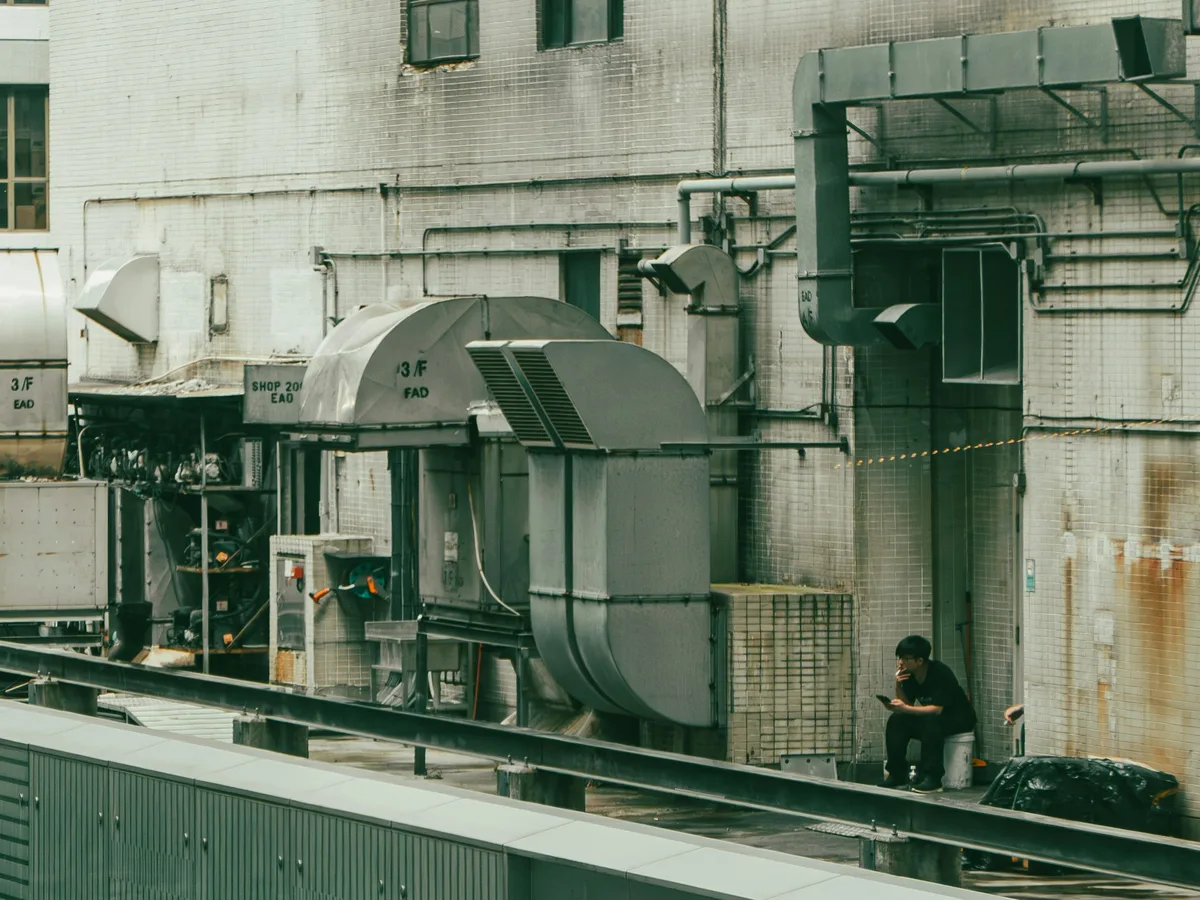
Controls and energy, the way we actually do it.
Most commercial buildings in the Valley run their HVAC longer and harder than they need to because the controls were never finished. Schedules that never got set. Economizers wired shut. Setpoints fighting each other. Retro-commissioning is the process of finding and fixing those, and it usually pays back in under a year.
For new systems and upgrades, we install BACnet-native controls from Honeywell, Distech and Carrier, program them to a written sequence of operations, and commission every point. The facility manager gets a graphic interface they can use and a one-page summary of what the building is supposed to do.
Retro-commissioning
A retro-commissioning study trends the building for two to four weeks, identifies the measures, and prices them. Typical findings: simultaneous heating and cooling, economizers that never open, fans running 24/7, and schedules nobody set after the last tenant.
Energy retrofits
Variable-speed drives on fans and pumps, demand-controlled ventilation, high-efficiency equipment and controls upgrades. We model the savings, file the utility incentives, and compare the bills a year later. If the number was wrong, we tell you.
What happens, in order.
So you know what to expect from the first call to the last walk.
Trend and study
Two to four weeks of data from the existing controls or temporary loggers; findings and prices.
Measures and incentives
Measures ranked by payback; utility incentive pre-approval filed.
Implement
Controls programmed, drives installed, economizers repaired, schedules set.
Verify
Trends compared to baseline; bills compared at twelve months; report delivered.
The numbers a buyer asks for.
| Platforms | Honeywell, Distech, Carrier i-Vu, Niagara |
| Protocols | BACnet IP/MSTP, Modbus, LonWorks legacy |
| Study duration | 2–4 weeks of trending |
| Typical payback | RCx under 12 months; retrofits 2–5 years |
| Incentives | SRP and APS filed by Summit Air |
| Reporting | Baseline vs. measured, 12-month bill comparison |
Questions about controls and energy.
Do we have to replace our controls to get savings?
Usually not. Most retro-commissioning savings come from fixing and programming what is already there.
Can you work on a system another contractor installed?
Yes. We service most major platforms and can take over a system we did not install after a survey.
How do you prove the savings?
Trend data against the baseline, and the utility bills twelve months later, weather-normalized. We send the comparison.
Need controls and energy? Tell us about the job.
A project manager replies the same business day. Maintenance clients reach a technician on the 24-hour line.